

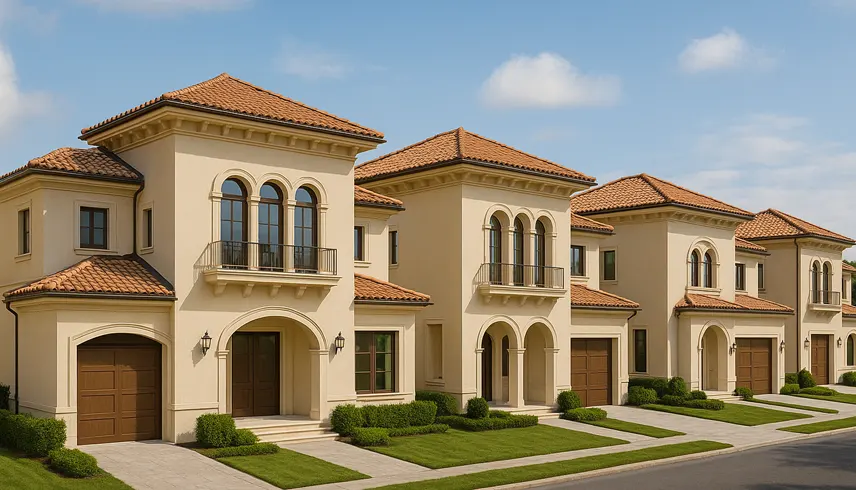
Introduction: What “Luxury” Means for a Villa in Chennai—Beyond Marble and Hype
Luxury villas aren’t just oversized houses. In Chennai’s climate and urban context, genuine luxury is the control you gain over light, air, privacy, noise, water security, and daily routines. It’s the freedom to park inside your own gate, let kids play on a safe lawn, host without disturbing neighbors, and expand as your family evolves—while keeping costs predictable and compliance tight.
This guide is a no-nonsense, decision-grade handbook. It explains where luxury villas make sense in Chennai, which designs live well (and which don’t), how to evaluate materials and MEP systems, how to factor in coastal corrosion and monsoon resilience, what to check in documents and RERA, and how to compare shortlisted options objectively. It also clarifies Ark Estates’ approach to livable luxury—quietly excellent, climate-aware, and engineered for decades.
1) Why Choose a Luxury Villa Over a High-End Apartment?
Autonomy & Privacy
- No shared walls or lift lobbies; you control noise, access, and schedules.
- Garden, sit-out, terrace: usable private outdoor space you actually spend time in.
Scalability
- Add a study, parents’ suite at ground, a rent-ready studio above the carport, or a hobby room on the terrace—on your timeline and budget.
Vehicle & Storage Practicality
- Pull-in parking, EV charger right at your bay, tool cabinets, bicycles, golf sets, camping gear—no committee approvals for every minor change.
Asset Behavior
- Land appreciation + controlled upgrades can outpace typical apartment appreciation in certain micro-markets, provided infra and community covenants are strong.
Caveat: Villas demand more disciplined upkeep—landscaping, façade maintenance, pest control, and periodic waterproofing. Luxury equals responsibility.
2) Where Do Luxury Villas Make Sense in Chennai?
Prime Urban Pockets (low supply, high prestige):
- Boat Club/Adyar/Besant Nagar/Thiruvanmiyur—boutique plots, legacy lanes, tight availability. Expect bespoke pricing and strict by-laws.
Coastal/ECR Belt (lifestyle + vigilance):
- Injambakkam/Neelankarai/Uthandi/ECR interiors—space, sea breeze, and villa-first streets. Vet flood maps, corrosion protection, and access during cyclonic rain.
OMR–ECR Connect & Suburban Growth Arcs (master-planned potential):
- Sholinganallur to Siruseri, Navalur, Padur; select pockets off Vandalur–Kelambakkam and Medavakkam corridors—larger land parcels enable gated villa communities with meaningful amenities and controlled covenants.
GST Road & Western Corridors (value + access):
- When arterial capacity is good and social infra is maturing, you can find balanced price-to-plot opportunities—verify commute and water table.
Key Filters for Any Micro-Market
- All-season access (no chronic waterlogging stretches)
- Social infra within a practical radius (schools, hospitals, essentials)
- Future transport/road capacity improvements (reduce “car-only” dependency)
- Proven demand for independent homes (resale liquidity)
3) Planning a Villa That Lives Like Luxury—Every Day
Site & Orientation
- Long side facing north/south for softer daylight; control west sun with deep overhangs, pergolas, or deciduous trees.
- Windows placed to catch sea/land breezes without introducing glare or heat.
Ground Floor Logic
- Foyer → Living → Dining with a subtle “L” or buffer to break TV glare and sound spill.
- Parents’/Guest Suite at Ground: near a well-ventilated bathroom (consider grab-bar provisions).
- Kitchen That Runs: sink–hob–fridge triangle ≤ 7 m; utility yard access; garbage exit away from main door.
Upper Level Logic
- Master Suite: wardrobe wall that still leaves circulation space; a small reading/work nook.
- Children’s Rooms: plan for study alcoves and clean cable runs; noise shield from the street.
- Family Lounge: the everyday buffer between bedrooms; doubles as a play/homework zone.
Stair You’ll Actually Use
- Comfortable riser/tread; daylight at landing; wall niche for books/art; under-stair storage.
Outdoor
- Sit-Out visible from living (social), private rear lawn for quiet meals, and service strip for clotheslines and outdoor sink.
Non-Negotiable Usability Details
- Bedrooms never open directly into living.
- Powder room not visible from dining.
- Balcony depth ≥ 1.2 m to seat two comfortably.
- Provisioned niches: linen, puja, tall broom/cleaning closet.
4) Materials & Systems—Where Luxury Hides in Plain Sight
Structure & Envelope
- RCC frame per seismic/wind norms; crack control via joint detailing.
- AAC/solid blocks for thermal comfort; quality weather-shield exterior coat.
- Terrace heat management (reflective/insulative build-up) + serious waterproofing at terraces, sunken toilets, balconies, planters.
Windows & Doors
- Aluminium/UPVC profiles with durable hardware; mosquito mesh provision.
- Main door as an engineered door set with multi-bolt or smart/digital lock.
Flooring
- Large-format vitrified/porcelain in social zones; anti-skid in bathrooms.
- Engineered wood (optional) in bedrooms—pick stable products for humidity.
Kitchen & Bathware
- Quartz/granite counters; SS sink with drainboard; hob/chimney provision.
- Reputed CP/sanitary brands; pressure-balanced mixers; shower glass in master.
- Ventilation: exhaust + natural cross-flow where possible.
Electrical & Data
- Copper wiring, MCB/ELCB/RCCB protection; surge arrestor at panel.
- Adequate circuits for high-load appliances; EV charger in car bay.
- Data points in living, master, and study; conduit to terrace for future solar/CCTV.
Water & Waste
- Sump + overhead tank with auto-cut; filtration at inlet (WTP in community).
- STP connection with dual plumbing (reuse to flush/garden) where implemented.
Coastal Corrosion Protection (if near sea)
- Hot-dip galvanized or coated MS members, SS grades appropriate to distance from coast, anti-corrosion primers, and scheduled maintenance cycles.
5) Climate-Smart Luxury: Monsoon, Heat, and Wind
Monsoon Resilience
- Finished ground levels, plinth height, and slope design you can verify with a water test.
- Closed drains sized for peak events; recharge pits to keep water on site where feasible.
Heat & Light
- Shade west/south façades with trees, fins, pergolas.
- Light roof finishes; ventilated attic or double roof build-up; low-E glazing only if orientation demands.
Wind
- Cross-ventilation lines that draw air through living, not just leaky windows.
- Door undercuts or transfer grilles to help air move even with doors closed.
6) Gated Villa Communities vs. Standalone Plots
Gated Communities
- Security, common landscaping, club amenities, consistent façade control, and covenants that preserve value.
- Professional O&M: you pay a fee, but you gain uptime and resale confidence.
Standalone Villas
- Total autonomy on design and upgrades; lower monthly costs if you self-manage.
- You must handle security, water, waste, landscaping, and compliance—reliably.
Which to pick? If you value predictability, security, and long-term valuation, a well-run gated community usually wins. If you want maximum customization and can handle infrastructure responsibilities, standalone can be rewarding.
7) The Amenity List That Actually Matters for Villas
- 24×7 Security with Visitor Management (not just a boom barrier).
- Parks & Play Pockets in multiple micro-nodes (toddlers and older kids separated).
- Multipurpose Community Hall with pantry and storage for chairs/tables.
- Fitness/Indoor Games space that’s truly usable, not an afterthought.
- Walking/Jogging Loops that don’t dead-end into parking.
- Daily-Use Convenience (mini-mart, parcel room) beats vanity amphitheatres.
- Utilities: EV bays, DG for essentials, LED common lighting, organized waste handling.
Rule of thumb: Fewer, well-maintained amenities > long, underused lists that bloat maintenance.
8) Legal, RERA & Paperwork—Zero Drama or Don’t Buy
- Title Chain & Encumbrance: clean, bank-fundable.
- Land Use & Layout Approval: CMDA/DTCP/local authority specifics.
- Building Approval: sanctioned drawings with setbacks, height, FSI/FAR.
- RERA Registration (where applicable): verify project/phase ID, plans, carpet/livable areas.
- Association & Covenants: façade control, set norms for debris disposal, work timings, pet policies—these protect value.
Payment & Possession
- Ask for progress-linked schedule, clear possession triggers, and defect-liability coverage.
- Document inclusions: power KVA per villa, water connection, compound wall spec, gate, landscaping starter kit if offered.
9) Snag-Safe Handover: What to Inspect Before You Sign Off
- Moisture & Waterproofing: terrace, sunken slabs, external walls, window-sill junctions.
- Slope Tests: balconies, terraces, bath wet areas, driveway.
- Power & Plumbing: circuit labeling, earth resistance, pressure tests, hot-water lines, geyser points.
- Fixtures: door alignments, lock operations, window hardware, mesh tracks, glass edges.
- AC & Ventilation: drain routes, trap access, condenser placements.
- Finishes: tile lippage, grout lines, paint coverage, sealants at edges.
Create a dated snag list, get rectification timelines, and perform a joint re-inspection.
10) Operating Luxury: The Hidden Work that Preserves Value
- Annual Waterproofing & Paint Touch-ups at vulnerable zones.
- Tree Care (prune roots away from foundations; keep shade without clogging drains).
- Pest Control cycles aligned with monsoon.
- Pump, Tank, and Panel Maintenance calendarized; keep logs.
- Security SOP review every 6–12 months; camera health checks.
Luxury that’s cared for costs less over 10 years than “show luxury” that’s neglected.
12) Budgeting Luxury: What to Price In (Beyond Base)
- Civil & Architectural: structure, finishes, joinery, glazing, paint.
- MEP: electricals (adequate circuits), plumbing fixtures, AC rough-ins, EV charger, data.
- Outdoor Works: compound wall, gate, driveway, lawn, sit-out deck, lighting.
- Sustainability: rainwater recharge, grey-water reuse where possible, solar prep.
- Furnishing/Storage: kitchen, wardrobes, linen, puja, shoe cabinets.
- Professional Fees: architect/structural/MEP/landscape, approvals liaison.
- O&M: annual budgets for pest, waterproofing, paint touch-ups, pump/panel service.
Create a Phase-Wise Spend Plan (core build → essential interiors → optional upgrades). Luxury is to finish without financial strain.
13) FAQs: Expert Answers for Villa Buyers
Q1. Is a ground-floor bedroom essential?
Yes, if you host elders or foresee mobility changes. It also converts to an office/guest suite later.
Q2. How big should the plot be for a 4-BHK luxury villa?
There’s no universal number. Look for frontage that accommodates two cars without awkward turning and leaves a usable lawn. A well-planned 2,000–2,400 sq.ft plot can outperform a poorly planned 3,000 sq.ft one.
Q3. Do I need dual plumbing?
If the community offers STP reuse, dual plumbing pays back via water stability and lower bills.
Q4. Are sea-breeze villas high-maintenance?
Yes—plan for anti-corrosion coatings, hardware grade upgrades, and shorter exterior repaint cycles. The lifestyle is worth it if you budget realistically.
Q5. Should I prioritize amenities or covenants?
Covenants. They protect streetscapes, prevent eyesores, and preserve value—far more critical than an oversized but underused clubhouse.
14) Ark Estates on Luxury Villas: Our Design & Delivery Principles
- Climate-Aware Architecture: Orientation, shading, terrace build-ups, and rain strategy come before cosmetics.
- Plans for Real Life: Parents’ suite at ground, kitchens that can handle festivals, balcony depths that seat people.
- Quiet Engineering: Waterproofing, drainage slopes, pressure-balanced showers, EV-ready circuits—unseen but felt daily.
- Sensible Amenities & Strong Covenants: Better upkeep, lower friction, higher long-term value.
- Transparent Process: Clear drawings, specifications, and step-wise progress updates through handover and beyond.
15) One-Hour Shortlisting Routine (Do This at Every Site)
- Park and simulate daily entry: gate width, turning radius, water stagnation signs.
- Stand in the living room: map furniture; check glare and TV wall.
- Walk the kitchen triangle and step out to the utility yard.
- Enter the ground-floor bedroom: is the bathroom near and naturally ventilated?
- Go to the terrace: inspect waterproofing build-up, drain positions, parapet height.
- Check balcony depth and west/south shading.
- Review the panel board: labeling, ELCB/RCCB, space for EV charger circuit.
- Ask for the O&M playbook: security SOPs, landscape schedule, repaint cycle.
- Photograph slopes and drains; note dates.
- Fill the evaluation matrix—no emotions, just numbers.
Conclusion: Luxury is Calm, Not Flash
A luxury villa in Chennai should make Monday mornings calmer and monsoon weeks uneventful. It should breathe, shade, drain, and endure—quietly. It should adapt as your family changes and protect your investment with strong covenants and reliable maintenance. That’s livable luxury.
Ark Estates designs and delivers villas with climate-aware planning, robust engineering, and community rules that keep neighborhoods desirable. If you want a home that earns your trust every day—not just on possession day—shortlist projects that respect how you’ll actually live.
Comments are closed